What to Expect With Bed Bug Control With Yikes Pest Control
Bed bugs are one of the most stressful pest issues a homeowner can deal with. They are small, secretive, active mostly at night, and very good at hiding in places that are difficult to inspect.
At Yikes Pest Control, our goal is to address the entire home, treat areas where bed bugs may be hiding or traveling, and perform a follow-up service to help control activity that may remain after the initial treatment.

Bed bug control is a process. These insects are difficult to find, difficult to reach, and may not all contact treatment materials at the same time.
Bed Bug Biology and Habits
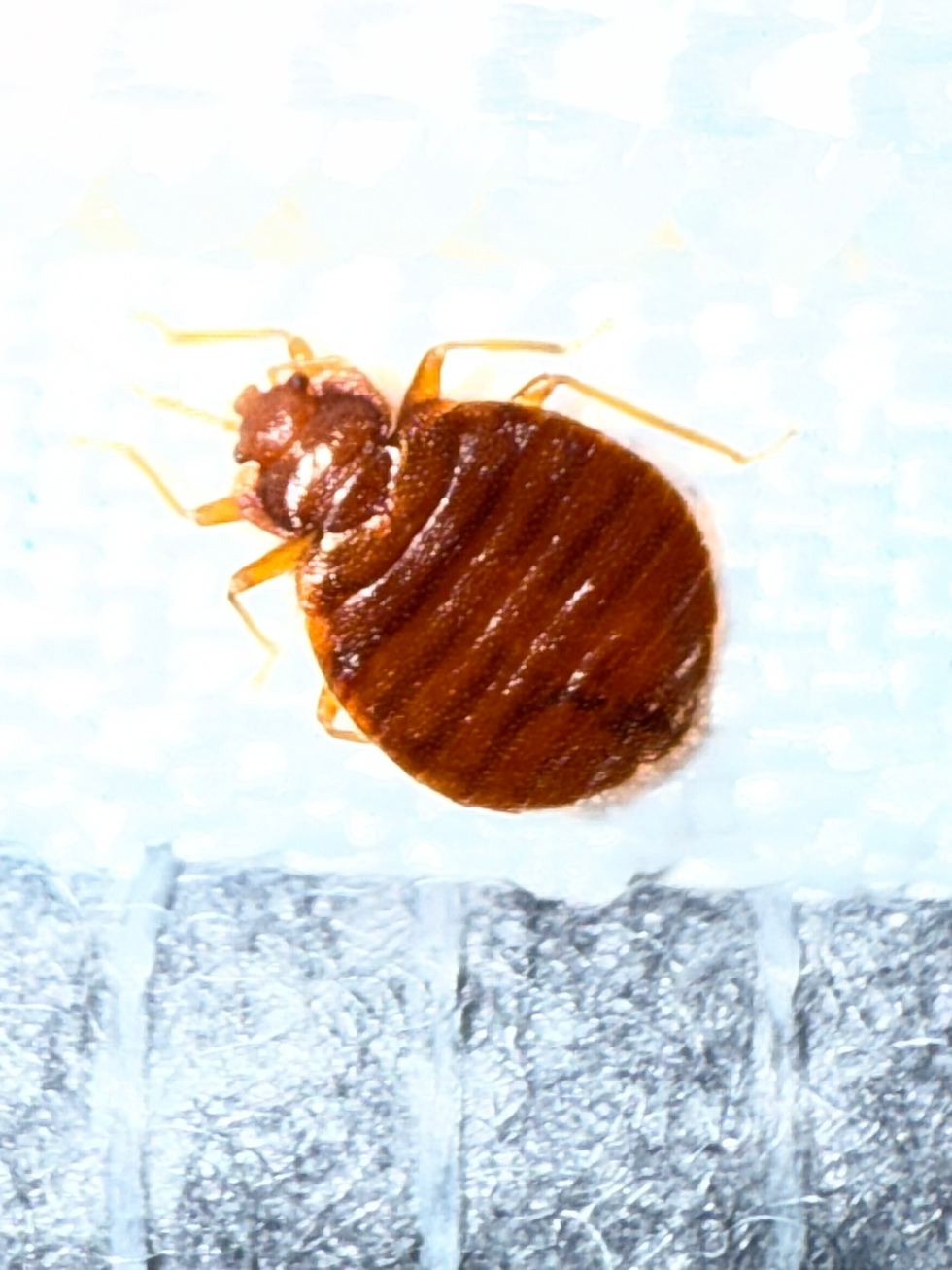
Bed bugs are small, flat insects that feed on blood. Adult bed bugs are usually reddish-brown and about the size of an apple seed. Young bed bugs, called nymphs, are smaller and lighter in color, especially before they feed.
Bed bugs do not fly or jump. They crawl and hide close to areas where people rest or sleep. They are commonly associated with beds, couches, recliners, headboards, nightstands, baseboards, mattress seams, box springs, bed frames, cracks, crevices, wall hangings, and nearby furniture.
Bed bugs are mostly nocturnal. They usually come out at night to feed while a person is sleeping or resting. Because they are secretive and spend most of their time hidden, they are often not seen until they have been present for a while or until the population has grown enough that activity becomes more noticeable.
Bed bugs can survive for extended periods without feeding, depending on temperature, life stage, and conditions. This is one reason they can be difficult to control and why a complete treatment plan is important.
Bed Bugs and Health Concerns
Bed bugs are not known to spread disease to people. However, they can still cause problems.
Bites may cause itching, irritation, redness, and loss of sleep. Some people react strongly to bites, while others may have little or no visible reaction. Because reactions vary from person to person, bites alone are not always enough to confirm bed bug activity.
Even though bed bugs are not known to transmit disease, they should still be taken seriously because they can affect comfort, sleep, stress, and quality of life.

Why Bed Bugs Can Be Hard to Find
Bed bugs are excellent at hiding. They can fit into very small cracks and crevices and may stay hidden during the day.
Inspections do not always find bed bug activity, even when bed bugs are present. This includes professional inspections and K-9 inspections. Bed bugs may be hidden deep inside furniture, wall voids, baseboards, headboards, mattresses, box springs, couches, recliners, or other protected areas.
Because of this, a negative inspection does not always guarantee that there are no bed bugs. If a customer has physically seen a bed bug, that is one of the strongest signs that there is active bed bug activity and it should be addressed. A clear photo is very helpful for identification.
If you see what you believe is a bed bug, text Yikes Pest Control a picture before disturbing the area if possible.
Signs of Bed Bug Activity
Seeing a live bed bug is the clearest sign of activity, but there are other signs customers may notice.
Possible signs include:
Live bed bugs
Small dark spots on sheets, mattresses, box springs, furniture, or walls
Small blood spots on sheets or pillowcases
Shed skins from growing bed bugs
Tiny pale eggs or eggshells in cracks, seams, or protected areas
Bites that appear after sleeping or resting
Activity around beds, couches, recliners, or other resting areas
Bed bug signs are most often found near where people sleep or sit for long periods. This includes beds, couches, recliners, and nearby furniture.
Bites can be useful information, but they are not always reliable by themselves. Some people react strongly, some people react mildly, and some people do not react at all.

What Yikes Pest Control Uses for Bed Bug Treatment
Yikes Pest Control may use a combination of treatment methods depending on the situation. This may include:
Biological-style treatment materials (Most effective product used)
Residual products
Knockdown products
Growth regulators
Crack-and-crevice treatment
Applications to furniture, bed frames, baseboards, and other hiding areas
The exact approach depends on the level of activity, the layout of the home, where activity has been found, and what items or rooms are involved.
During a bed bug service, Yikes Pest Control treats the entire house so activity is not missed. Bed bugs are excellent at hiding and may not always be found during an inspection, even when they are present. Treating the full structure helps address activity that may be in bedrooms, living areas, furniture, baseboards, cracks, crevices, and other areas where bed bugs may be hiding or traveling.
What Customers Need to Do Before the Initial Service
Preparation is very important for bed bug control. The better the home is prepared, the more effective the treatment can be.
Before the initial service, customers should:
Wash all bedding.
Wash clothing that can be washed.
Wash curtains, blankets, pet bedding, and other washable fabric items when possible.
Dry washable items on high heat when the fabric allows.
Place clean dried items in sealed bags or sealed containers until treatment is complete.
Vacuum floors, carpets, rugs, baseboards, mattresses, box springs, bed frames, couches, recliners, and nearby furniture.
Dispose of vacuum contents outside after vacuuming.
Move furniture and items at least 18 inches away from the walls where practical.
Remove items from under beds.
Reduce clutter around beds, couches, recliners, and baseboards.
Make sure beds, couches, recliners, baseboards, and affected areas are accessible.
Do not move infested items into other rooms unless instructed, because this can spread bed bugs.
People and pets must be out of the home during the service and for four hours after treatment, or longer if instructed based on product label requirements or site conditions.

What to Expect During and After Treatment
After treatment, it is possible to continue seeing some activity for a period of time. Bed bugs are hidden pests, and not every insect may contact treatment immediately.
Customers may notice:
Reduced activity over time
Occasional live or dying bed bugs after treatment
Activity near beds, couches, or recliners
Bites that continue briefly after treatment
A gradual decline rather than an instant stop
Bed bugs may remain hidden and then move through treated areas later. The goal is to reduce activity over time and continue affecting bed bugs as they move through treated areas.
Why Sleeping Habits Should Stay the Same
It is usually best not to change sleeping habits during bed bug treatment.
If a person stops sleeping in the affected room and moves to another bedroom, couch, or recliner, bed bugs may follow the food source. This can spread the issue into new areas of the home.
As difficult as it may be, staying in the same sleeping location helps keep bed bugs moving through the treated areas. This improves the chance that they contact treatment materials.
Moving or discarding items without a plan can spread bed bugs through the home or to other locations.
The Follow-Up Service
Yikes Pest Control will perform the initial service and then a follow-up service approximately 30 days after the initial treatment.
The follow-up is important because bed bugs are difficult to locate, eggs may hatch after the first service, and hidden bugs may continue moving through treated areas.
For the second treatment, customers will not need to wash and dry all clothing again or move furniture away from the walls again unless Yikes Pest Control specifically instructs them to do so. But they will need to stay out of the house during and for four hours after the service.
The follow-up is designed to inspect, reassess, and treat as needed based on the remaining activity.
Paying Attention to Outside Sources
Bed bugs are usually brought into a home from another location. They can travel on luggage, bags, clothing, furniture, mattresses, used items, and personal belongings.
Customers should pay attention to possible outside sources, including:
Overnight visitors
Guests who frequently travel
Used furniture or mattresses
Items brought in from storage
Children returning from sleepovers, college, or shared living spaces
Hotel stays
Work bags, backpacks, or luggage
Visitors who may unknowingly bring bed bugs with them
This does not mean every visitor is a problem. It simply means that if bed bugs continue to appear after treatment, it is important to consider whether new bed bugs are being introduced from an outside source.
Avoid bringing used mattresses, couches, recliners, or furniture into the home without carefully inspecting them first.
What Customers Can Do to Help
Customer cooperation is one of the biggest parts of successful bed bug control.
Helpful steps include:
Text Yikes Pest Control a picture if you see a suspected bed bug.
Keep sleeping locations the same unless instructed otherwise.
Do not move bedding, furniture, or personal items from room to room without a plan.
Keep treated areas accessible.
Reduce clutter near beds, couches, recliners, and baseboards.
Use high heat in the dryer for washable fabrics when fabric care labels allow.
Keep clean items sealed until the treatment process is complete.
Avoid using over-the-counter sprays, foggers, or “bug bombs” after professional treatment unless instructed.
Tell Yikes Pest Control where activity has been seen and where people sleep or rest.
Watch for possible outside sources if activity continues or returns.
The more accurate the information is, the better the treatment can be adjusted.




Comments