How to Prepare for Pest Control: Preparing Your Home for Bed Bug Treatment
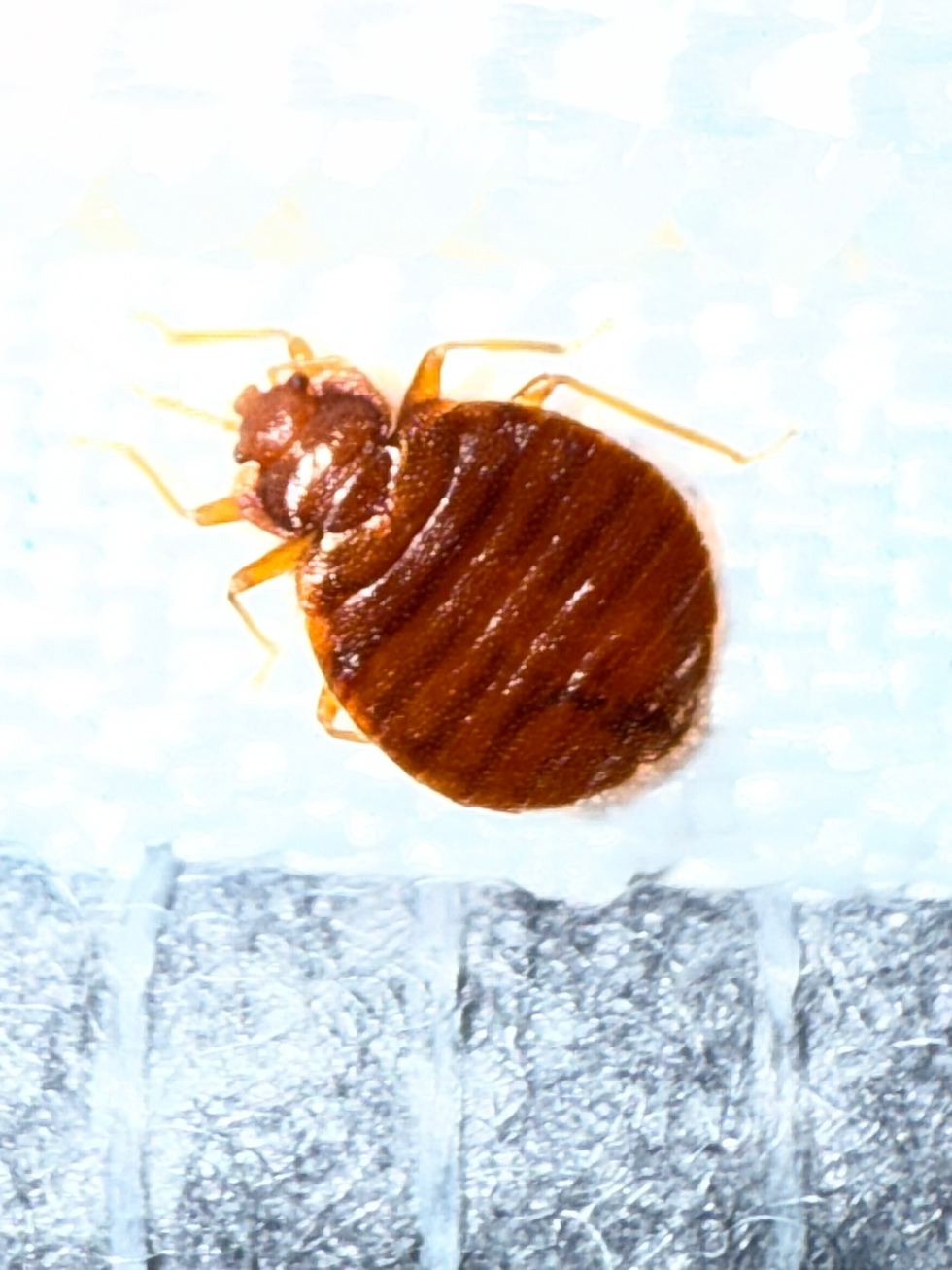
Dealing with bed bugs is never fun. These tiny pests can turn your peaceful home into a nightmare. If you’ve found yourself facing a bed bug infestation, you’re probably wondering what to do next. One of the most important steps is preparing your home for bed bug treatment. Trust me, a little prep work can make a huge difference in how effective the treatment is and how quickly you can get back to normal.
Let’s walk through everything you need to know to get your home ready. I’ll share practical tips, clear instructions, and some insider advice to make this process as smooth as possible.
Why You Need to Prepare for Pest Control Treatment
Before the pest control team arrives, your home needs to be in tip-top shape. Why? Because bed bugs are sneaky little creatures. They hide in cracks, crevices, and even inside your belongings. If your home isn’t properly prepared, the treatment might not reach all the hiding spots, and the bugs could come back.
Preparing your home helps the exterminators do their job better. It also protects your belongings and makes the whole process faster and more effective. Plus, it can reduce the chances of needing multiple treatments, which saves you time and money.
Here’s what you can expect when you prepare for pest control treatment:
Better access to bed bug hiding spots
More effective use of pesticides or heat treatments
Less risk of re-infestation
A quicker return to a bug-free home
So, don’t skip this step! It’s a crucial part of winning the battle against bed bugs.
How to Prepare for Pest Control Treatment in Your Home
Now, let’s get into the nitty-gritty of what you actually need to do. Preparing your home might sound overwhelming, but if you break it down into manageable steps, it’s totally doable.
1. Declutter Your Space
Bed bugs love clutter because it gives them plenty of places to hide. Start by clearing out piles of clothes, papers, and other items from floors, under beds, and around furniture. This doesn’t mean you have to throw everything away—just organize it neatly or place it in sealed plastic bags.
2. Wash and Dry Fabrics
Bed bugs can hide in your bedding, curtains, and clothes. Wash all washable fabrics in hot water (at least 120°F) and dry them on the highest heat setting. Heat kills bed bugs and their eggs, so this step is essential.
3. Vacuum Thoroughly
Vacuum every corner of your home, especially around beds, sofas, and baseboards. Use the crevice tool to get into tight spaces. After vacuuming, immediately empty the vacuum bag or canister into a sealed plastic bag and throw it away outside your home.
4. Move Furniture Away from Walls
Bed bugs often travel along walls and baseboards. Pull your furniture a few inches away from the walls to give the pest control team better access to these areas.
5. Seal Items in Plastic Bags
For items that can’t be washed or treated, seal them in plastic bags. This starves the bugs and keeps them contained until the treatment is complete.
6. Prepare Your Bed
Remove all bedding, including mattress covers, sheets, and pillows. If you have a mattress encasement, keep it on if it’s bed bug-proof. Otherwise, the pest control team might recommend removing it.
7. Follow Specific Instructions from Your Pest Control Provider
Every treatment is a bit different. Your pest control company might have additional or specific instructions based on the method they use. Be sure to follow their guidance closely.
If you want a detailed checklist and more tips, check out this guide on how to prepare for bed bug treatment.

What Happens After Bed Bug Treatment?
Once the treatment is done, your job isn’t quite over. There are a few important steps to take to make sure the bed bugs don’t come back.
1. Monitor for Bed Bugs
Keep an eye out for any signs of bed bugs returning. This includes bites, shed skins, or live bugs.
2. Continue Cleaning and Vacuuming
Regular cleaning helps remove any bugs or eggs that might have survived. Vacuum frequently and dispose of the vacuum contents carefully.
3. Avoid Bringing in New Bed Bugs
Be cautious when traveling or bringing secondhand furniture into your home. Inspect items carefully and consider protective covers for your mattress and pillows.
4. Schedule Follow-Up Treatments if Needed
Sometimes, a second treatment is necessary to fully eliminate bed bugs. Stay in touch with your pest control provider and follow their recommendations.

Tips for Preventing Future Bed Bug Infestations
After all that hard work, you want to keep your home bed bug-free. Here are some simple tips to help prevent future infestations:
Inspect secondhand furniture before bringing it inside.
Use protective covers on mattresses and pillows.
Reduce clutter to limit hiding spots.
Be cautious when traveling—inspect luggage and wash clothes immediately.
Regularly vacuum and clean your home.
Taking these steps can save you a lot of trouble down the road.
Getting rid of bed bugs is a team effort between you and your pest control professional. By preparing your home properly, you’re giving yourself the best chance to win this battle quickly and effectively. Remember, a little prep goes a long way!
If you’re in Southwestern Indiana and need expert help, Yikes Pest Control is here to protect your home and family with honest, reliable service. Don’t wait until bed bugs take over—get ahead of the problem with the right preparation and professional treatment.




Comments