What to Expect With Brown Recluse Spider Control with Yikes Pest Control
Brown recluse spiders are one of the more difficult pests to manage inside a structure. They are secretive, they spend much of their time hidden, and they can survive in areas where people rarely look. Because of this, brown recluse control should be viewed as a long-term reduction and management process, not an immediate elimination service.
At Yikes Pest Control, our goal is to reduce activity, identify where the heaviest pressure is occurring, and bring the population under control over time. No pest control company can truthfully say that every brown recluse spider in a structure will be completely eliminated.

Brown Recluse Biology and Lifestyle
Brown recluse spiders are usually light brown to dark brown and are commonly associated with a darker violin-shaped marking on the top of the body. However, color and markings can vary, so identification should not be based on the “violin” alone.
One important identifying feature is their eye pattern. Most spiders have eight eyes, but brown recluse spiders have six eyes arranged in three pairs.
Brown recluse spiders are named “recluse” for a reason. They prefer quiet, dark, undisturbed areas. Inside homes, they are commonly associated with closets, basements, attics, crawl spaces, garages, storage rooms, cardboard boxes, stored clothing, shoes, papers, furniture, wall voids, and other protected spaces.
They do not build large, organized webs to catch flying insects like some other spiders. Their webbing is usually irregular and is used more as a retreat or hiding area than as a prey-catching web.
Brown recluse spiders feed mostly on insects and other small arthropods. They may feed on crickets, cockroaches, silverfish, flies, and other small pests. They can hunt live prey, but they may also feed on dead insects.
Female brown recluse spiders produce egg sacs in hidden, protected areas. A typical egg sac may contain about 40 to 50 eggs, although numbers can vary. A female can produce multiple egg sacs during her lifetime. Brown recluse spiders often take close to a year to mature, and adults may live one to several years depending on conditions.

This is one reason brown recluse issues can become serious if left unchecked. A small population can increase over time when spiders have shelter, food, and undisturbed areas to reproduce.
Why Brown Recluse Spiders Are Difficult to Control
Brown recluse spiders are difficult to control for several reasons.
First, they hide extremely well. Many of the spiders in a structure may be inside wall voids, stored items, cracks, crevices, attics, crawl spaces, or other areas that are hard to access.
Second, they do not behave like many common crawling insects. Spiders have long legs and walk with much of their body held off the treated surface. Their feet contact the surface, but their body may not make the same level of contact that ants, cockroaches, or other crawling insects do. This can affect how well residual products work, especially when spiders only briefly cross a treated area.
Third, brown recluse spiders can survive in low-activity areas and may not immediately encounter a treated surface. Some spiders may stay hidden for long periods, especially adult females.
Because of these factors, treatment is designed to reduce the population over time. It is not realistic or factual to promise that every spider will be gone after a single service.
Seasonal Activity: What to Expect
Brown recluse activity is seasonal.
During the warmer months, especially spring and summer, brown recluse spiders are generally more active. This is when movement, mating, feeding, and egg-laying activity are more likely to be noticed. Customers may see more spiders during this time, and glue boards may catch more spiders.
During the winter months, activity usually decreases. This does not mean the spiders are gone. It usually means they are less active, staying hidden, and not moving through living areas as often.
A common pattern is this:
Activity increases during the summer.
Activity becomes less noticeable during the winter.
Activity may reappear the following spring or summer.
With consistent service, activity should slowly and gradually decrease each year.
The important expectation is that brown recluse spiders may not be noticed much in the winter, but that does not mean the problem has been eliminated. If the population is still present, activity can reemerge when warmer weather returns.
Progress Is Gradual
Brown recluse control is not instant. The goal is to see gradual reduction over time.
In the first season, customers may still see spiders, especially during warmer months. Glue boards may continue to catch activity. This is normal and does not mean the service is not working.
Over time, the goal is to see:
Fewer spiders caught on glue boards
Fewer sightings in living spaces
Less activity during the summer months
Lower activity in the areas that were previously the worst
A gradual year-over-year reduction in population pressure
If a brown recluse issue is left unchecked, the population can increase, especially when there are undisturbed storage areas, clutter, cardboard boxes, and available insect prey. Since females can produce multiple egg sacs, activity can build faster than many homeowners expect.
Why We Use Glue Boards
Glue boards are an important part of brown recluse control. They are not just traps. They are monitoring tools.
Because brown recluse spiders hide so well, glue boards help show where activity is actually occurring. If one closet, basement wall, storage room, garage corner, or bedroom area is catching more spiders than another, that tells us where pressure is heaviest.
This helps Yikes Pest Control focus treatments more accurately.
Glue boards help us determine:
Where the spiders are most active
Which areas need more attention
Whether activity is increasing or decreasing
Whether treatment adjustments are needed
How the population is trending over time
Without monitoring, it is much harder to measure progress because many brown recluse spiders remain hidden.
Why Interior Access Matters During Summer
During the summer months, Yikes Pest Control will often need access to the inside of the home. This is when activity is usually higher and when targeted interior treatments can be especially important.
When appropriate, we may apply products into cracks, crevices, voids, baseboard gaps, storage areas, closets, garages, basements, attics, crawl spaces, and other areas where brown recluse spiders are likely to hide or travel.
The focus is targeted application. Brown recluse treatments are most useful when products are placed where spiders are likely to be, not simply sprayed across open areas.
Depending on the situation, treatment may include crack-and-crevice applications, dusts in voids, targeted liquid applications, and glue board placement. The exact approach depends on the structure, the level of activity, and where spiders are being found.
What Customers Can Do to Help Reduce Activity
Customer cooperation is one of the most important parts of brown recluse control. The less shelter and food they have, the better the control program can work.
Here are the most helpful steps customers can take:
Reduce clutter, especially in closets, bedrooms, basements, attics, garages, crawl spaces, and storage areas.
Replace cardboard boxes with plastic storage totes that have tight-fitting lids. Cardboard boxes provide excellent hiding areas and are commonly associated with brown recluse activity.
Keep stored items off the floor when possible.
Avoid leaving clothing, towels, bedding, and shoes on the floor.
Shake out shoes, clothing, gloves, towels, and stored fabrics before use.
Keep beds pulled slightly away from walls when possible.
Do not allow bedding, blankets, or bed skirts to touch the floor.
Vacuum along baseboards, corners, closets, under furniture, and storage areas regularly.
Remove dead insects and reduce other pest activity, since insects can serve as food for brown recluse spiders.
Seal gaps, cracks, and openings where practical.
Limit long-term storage of paper goods, cardboard, and seldom-moved items.
These steps do not replace professional service, but they make the service more effective. Brown recluse spiders do best in cluttered, quiet, undisturbed areas. Reducing those areas helps reduce long-term activity.
What Success Looks Like
Success with brown recluse control does not mean that every spider is instantly gone. Success means the population is being reduced and activity is becoming less common over time.
A realistic result is gradual improvement:
The first summer may still have noticeable activity.
The following winter may seem quiet, but spiders may still be present.
The next summer should show less activity if the control program is working.
Continued service and reduced clutter should keep driving activity down.
The goal is control, reduction, and long-term management. Brown recluse spiders can be brought under control, but they should not be treated as a pest that can be honestly guaranteed to disappear.
The Yikes Pest Control Approach
Yikes Pest Control takes a factual and realistic approach to brown recluse spider issues. We focus on inspection, monitoring, targeted treatment, and long-term reduction.
We use glue boards to identify where activity is heaviest. We use targeted applications in cracks, crevices, and voids where appropriate. We adjust our focus based on what we find during service. We also give customers practical steps they can take to make the home less favorable for brown recluse spiders.


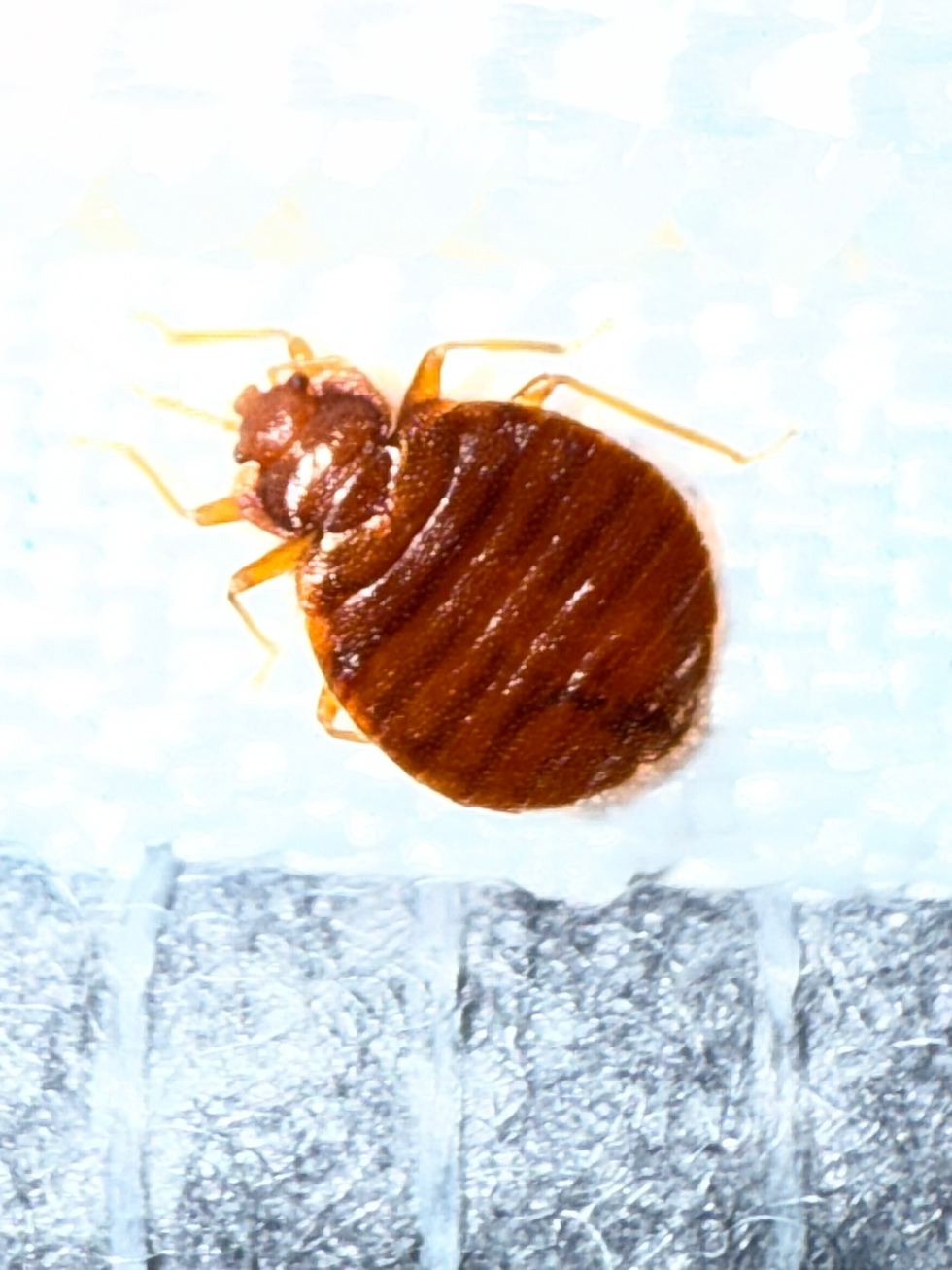


This is a really realistic breakdown of how tricky secretive pests like brown recluse spiders can be to manage inside a home! Since they prefer dark, undisturbed hiding spots and require consistent monitoring rather than quick overnight fixes, patience is key. When tough, stubborn pest infestations get out of hand and require specialized removal, getting professional help from Central Nebraska Heat Treatment is a dependable way to fully protect your living space.