Southern Indiana Pest Control Calendar: What Bugs to Watch for Each Season
If you live in Evansville, Newburgh, Mount Vernon, Poseyville, Wadesville, Princeton, Boonville, or anywhere around Southern Indiana, you already know pests do not exactly wait for an invitation. One month it is ants in the kitchen, the next it is mosquitoes in the yard, and before you know it, mice are trying to move into the garage like they signed a lease.
Southern Indiana’s weather gives pests plenty of opportunities throughout the year. Warm, humid summers fuel mosquitoes, ants, fleas, ticks, wasps, spiders, and roaches. Cooler fall and winter temperatures push mice, rats, spiders, and overwintering insects indoors.

This seasonal pest control calendar will help you know what to expect, what to watch for, and when to schedule professional pest control service.
Why Pest Control in Southern Indiana Changes by Season
Pest activity is closely tied to weather, moisture, food sources, and shelter. In Southern Indiana, the mix of humid summers, mild seasonal transitions, wooded areas, farmland, older homes, crawl spaces, basements, and river-region moisture can create ideal conditions for pests.
That means pest control is not just a “spray once and forget it” situation. Different pests become active at different times of year, and prevention is usually easier than waiting until the problem gets out of hand.
At Yikes Pest Control, we help homeowners and businesses throughout Evansville and the surrounding Southern Indiana area stay ahead of seasonal pest problems before they become full-blown infestations.
Spring Pest Control in Southern Indiana
Spring is when pests start waking up, moving around, nesting, and searching for food. As temperatures rise and moisture increases, activity can pick up quickly.
Common Spring Pests
Ants
Ants are one of the most common spring pest problems in Southern Indiana homes. You may notice them trailing along baseboards, kitchen counters, windows, doors, bathrooms, or around pet food.
Spring ant activity often increases after rain or temperature changes. Ants may enter homes looking for food, moisture, or nesting areas.
Watch for:
Ant trails near kitchens, bathrooms, windows, and doors
Small piles of dirt or debris near cracks
Ants around pet bowls or trash cans
Larger black ants that could indicate carpenter ant activity
Termites
Spring is a major season for termite activity, especially termite swarms. Swarmers are reproductive termites that leave a colony to start new colonies. Seeing swarmers indoors or around your foundation can be a serious warning sign.
Termites are especially concerning because they can damage wood, flooring, framing, and structural areas before homeowners realize what is happening.
Watch for:
Winged insects near windows or doors
Discarded wings
Mud tubes along foundation walls
Soft or damaged wood
Bubbling paint or warped trim
Wood that sounds hollow when tapped

Spiders
Spiders become more noticeable in spring as insects become more active. More insects around the home can attract more spiders. In Southern Indiana, homeowners are often especially concerned about brown recluse spiders.
Watch for:
Webs in corners, basements, garages, and storage areas
Spiders around boxes, clutter, closets, and crawl spaces
Increased spider sightings after insect activity increases
Mosquitoes
Mosquito season often starts in spring, especially after standing water collects in gutters, birdbaths, buckets, flowerpots, low spots in the yard, or clogged drains. Once temperatures stay warm, mosquito populations can build fast.
Watch for:
Mosquitoes around patios, decks, and shaded areas
Standing water around the yard
Increased bites in the evening
Mosquitoes near bushes, tall grass, and damp areas

Spring Prevention Tips
Spring is one of the best times to get ahead of pests.
Here are a few things homeowners can do:
Seal cracks around doors, windows, pipes, and foundation gaps
Trim shrubs and branches away from the home
Keep mulch away from siding and foundation edges
Fix leaky faucets, pipes, and outdoor spigots
Clean gutters and downspouts
Remove standing water from containers and low spots
Store firewood away from the house
Schedule a spring pest inspection or preventive treatment
Spring is the season where prevention pays off. Once colonies and breeding cycles are established, pests become harder to control.
Summer Pest Control in Southern Indiana
Summer is peak pest season in Southern Indiana. Heat, humidity, moisture, outdoor activity, cookouts, pets, and dense vegetation all create ideal conditions for pests.
Common Summer Pests
Mosquitoes
Mosquitoes are one of the biggest summer complaints in Evansville and surrounding areas. They breed in standing water and rest in shaded vegetation during the day.
If your yard becomes uncomfortable in the evening, mosquitoes may be breeding nearby or resting in shrubs, grass, and shaded areas.
Watch for:
Mosquitoes around decks, patios, pools, and yards
Bites after sunset
Standing water around the property
Heavy activity near bushes, trees, and shaded areas
Wasps, Hornets, and Yellow Jackets
Wasps, hornets, and yellow jackets become more active in summer as their nests grow. You may see them around rooflines, soffits, sheds, decks, playgrounds, trees, bushes, wall voids, or even holes in the ground.
Trying to remove a nest yourself can be risky, especially if the nest is large, hidden, or near people and pets.
Watch for:
Wasps flying in and out of one spot repeatedly
Paper-like nests under eaves or porch ceilings
Ground nesting yellow jackets
Stinging insects around trash cans, grills, or outdoor eating areas
Increased activity near siding, soffits, or wall gaps
Fleas
Fleas are often worse in warm, humid weather. Pets can bring fleas inside, but homes without pets can also have flea issues if wildlife, rodents, or previous infestations are involved.

Watch for:
Pets scratching more than usual
Small jumping insects near carpets, furniture, or pet bedding
Bites around ankles or legs
Flea dirt in pet bedding
Fleas in shaded yard areas
Ticks
Ticks can be a problem in yards, wooded areas, tall grass, fence lines, and shaded outdoor spaces. Pets and people can bring ticks inside after spending time outdoors.
Watch for:
Ticks on pets after outdoor activity
Ticks near wooded edges, tall grass, or brush
Bites after time outside
Increased activity around shaded or overgrown areas
Roaches
Warm weather can increase cockroach activity, especially in kitchens, bathrooms, basements, restaurants, apartments, and areas with food, moisture, and shelter.
German roaches are especially difficult because they reproduce quickly and often hide in small cracks, appliances, cabinets, and wall voids.
Watch for:
Roaches at night
Droppings that look like black pepper or coffee grounds
Egg cases
Musty odors
Roaches near sinks, appliances, cabinets, and drains
Summer Prevention Tips
Summer pest prevention is all about reducing food, water, and shelter.
Empty standing water weekly
Keep grass trimmed
Clean up food after cookouts
Keep trash cans sealed
Store pet food in airtight containers
Remove yard clutter and debris
Keep bushes trimmed away from the house
Check screens, doors, and window seals
Schedule mosquito and general pest control treatments
Summer is when small pest issues can turn into big ones quickly. If you are seeing activity every week, it is probably time to treat the source.
Fall Pest Control in Southern Indiana
Fall is one of the most important times for pest control. As temperatures cool, pests start looking for warmth, food, and shelter. Unfortunately, your home checks all three boxes.
Common Fall Pests
Mice and Rats
Rodents become a major issue in fall as they search for warm nesting areas. Garages, crawl spaces, attics, basements, wall voids, sheds, and kitchens can all attract mice and rats.
Mice can squeeze through very small openings, so even a tiny gap can become an entry point.

Watch for:
Droppings in cabinets, drawers, garages, or pantries
Scratching noises in walls or ceilings
Chewed packaging or wires
Nesting material
Grease marks along walls
Pet food disappearing
Small holes around the foundation or garage
Spiders
Spiders often become more noticeable in fall as they move indoors and as homeowners spend more time in garages, basements, storage rooms, and closets.
Brown recluse concerns may also increase when stored items, boxes, clothing, and clutter are disturbed.
Watch for:
Spiders in basements, closets, garages, and storage areas
Webs in corners and around windows
Spiders near boxes or stored items
Increased sightings after weather changes
Stink Bugs and Overwintering Insects
Stink bugs, Asian lady beetles, boxelder bugs, and similar pests may gather around sunny sides of homes in fall. They often enter through cracks, vents, siding gaps, attic openings, and window frames.
They may not always cause damage, but they can become a major nuisance once inside.
Watch for:
Bugs gathering on sunny exterior walls
Insects around windows, doors, and attic spaces
Sudden indoor activity during warm winter days
Clusters of bugs in upper rooms or around lights
Ants and Roaches
Ant and roach problems can continue into fall, especially indoors where food and moisture are available year-round. Restaurants, apartments, older homes, and homes with moisture issues may see ongoing activity.
Watch for:
Ants near kitchens or bathrooms
Roaches near appliances and drains
Activity that continues after outdoor temperatures drop
Pests around pantry items, pet food, or trash areas
Fall Prevention Tips
Fall prevention is about sealing pests out before they settle in.
Seal foundation cracks and gaps
Check garage door seals
Install door sweeps
Seal around pipes, vents, and utility lines
Store food in sealed containers
Keep pet food cleaned up
Declutter garages and storage areas
Move firewood away from the home
Schedule a fall pest inspection
Fall is one of the best times to focus on rodent exclusion and exterior pest prevention.
Winter Pest Control in Southern Indiana
Many people think pest problems disappear in winter. Unfortunately, that is not always true. Some pests slow down outdoors, but indoor pests can stay active all winter.
Common Winter Pests
Mice and Rats
Rodents are one of the top winter pest problems. Once they find a way inside, they can nest, chew, contaminate food, and reproduce.
A rodent problem rarely fixes itself. If you are hearing scratching or finding droppings, it is best to act quickly.
Watch for:
Scratching sounds at night
Droppings in hidden areas
Chewed food packaging
Nests in insulation or storage boxes
Strange pet behavior near walls or cabinets
Roaches
Cockroaches can survive indoors year-round. Winter roach activity is common in kitchens, bathrooms, multi-unit housing, restaurants, and areas with warmth and moisture.
If you see one roach, there may be more hiding nearby.
Watch for:
Roaches at night
Droppings near cabinets and appliances
Egg cases
Activity near sinks, drains, and refrigerators
Musty smells
Spiders
Spiders may remain active indoors throughout winter, especially in basements, garages, crawl spaces, closets, and storage areas.
Watch for:
Spiders in low-traffic rooms
Webs in corners
Spiders around stored boxes
Activity in garages and basements

Overwintering Pests
Stink bugs, lady beetles, and other overwintering pests may appear indoors during winter, especially on warm sunny days. They often entered the home during fall and stayed hidden until conditions changed.
Watch for:
Bugs around windows and lights
Sudden activity during warm days
Bugs in attics, upper rooms, and wall voids
Clusters near sunny windows
Winter Prevention Tips
Winter is a good time to inspect, seal, and clean.
Check for rodent entry points
Keep garage doors sealed
Store pantry food in airtight containers
Clean behind appliances
Reduce clutter in storage areas
Inspect attic and crawl space access points
Keep trash sealed
Schedule pest control service before spring activity begins
Winter pest control helps prevent spring infestations from getting an early start.
Month-by-Month Southern Indiana Pest Calendar
January
Most common concerns:
Mice
Rats
Roaches
Spiders
Overwintering insects
Focus on sealing entry points, inspecting garages and crawl spaces, and addressing indoor pest activity.
February
Most common concerns:
Mice
Rats
Roaches
Spiders
Early ant activity during warm spells
This is a good time to schedule inspections and prepare for spring pest activity.
March
Most common concerns:
Ants
Termites
Spiders
Early mosquitoes
Roaches
Spring pest activity begins increasing as temperatures rise.
April
Most common concerns:
Ants
Termites
Mosquitoes
Spiders
Wasps
Watch for termite swarmers, ant trails, and early wasp nest building.
May
Most common concerns:
Ants
Mosquitoes
Termites
Fleas
Ticks
Wasps
This is a strong month for preventive outdoor treatments.
June
Most common concerns:
Mosquitoes
Wasps
Fleas
Ticks
Ants
Roaches
Summer pest pressure increases quickly.
July
Most common concerns:
Mosquitoes
Wasps
Fleas
Ticks
Roaches
Spiders
Outdoor activity and humidity make July a peak pest month.
August
Most common concerns:
Mosquitoes
Wasps
Roaches
Spiders
Fleas
Ticks
Wasp nests are often larger and more aggressive by late summer.
September
Most common concerns:
Wasps
Spiders
Ants
Roaches
Mice
Overwintering insects
Fall pest pressure begins as temperatures start changing.
October
Most common concerns:
Mice
Rats
Spiders
Stink bugs
Lady beetles
Roaches
This is one of the most important months for rodent prevention.
November
Most common concerns:
Mice
Rats
Roaches
Spiders
Overwintering pests
Indoor pest activity becomes more common as cold weather moves in.
December
Most common concerns:
Mice
Rats
Roaches
Spiders
Winter pests are usually looking for warmth, food, and shelter.
When Should You Schedule Pest Control?
For most Southern Indiana homes, year-round pest control is the best way to stay ahead of seasonal activity.
A good schedule often includes:
Spring treatment for ants, termites, spiders, and early mosquitoes
Summer treatments for mosquitoes, wasps, fleas, ticks, roaches, and general pests
Fall treatment for rodents, spiders, and overwintering pests
Winter inspection and service
If you only schedule pest control after you see a problem, pests may already be nesting, breeding, or spreading.
Preventive pest control is usually easier, cleaner, and less stressful than emergency pest control.
Pest Control for Homes and Businesses
Seasonal pest problems do not only affect houses. Businesses in Evansville and Southern Indiana can also deal with roaches, rodents, ants, flies, spiders, wasps, and occasional invaders.
Commercial pest control is especially important for:
Restaurants
Offices
Warehouses
Apartment buildings
Rental properties
Retail stores
Schools and daycare facilities
Healthcare offices
Food storage areas
Pest activity can damage your reputation, create health concerns, and disrupt daily operations. Regular service helps protect your property before pests become a bigger problem.
Why Choose Yikes Pest Control?
Yikes Pest Control is a local pest control company serving Evansville and surrounding Southern Indiana communities. We understand the pests common to this area, the seasons they are most active, and the conditions that help them thrive.
Whether you are dealing with ants in the kitchen, mosquitoes in the yard, mice in the garage, termites near the foundation, roaches in the bathroom, or spiders in the basement, we can help identify the issue and create a treatment plan.
We proudly serve homeowners and businesses in areas including:
Evansville
Newburgh
Mount Vernon
Poseyville
Wadesville
Princeton
Boonville
Posey County
Vanderburgh County
Warrick County
Gibson County
And nearby Southern Indiana communities
Schedule Seasonal Pest Control in Southern Indiana
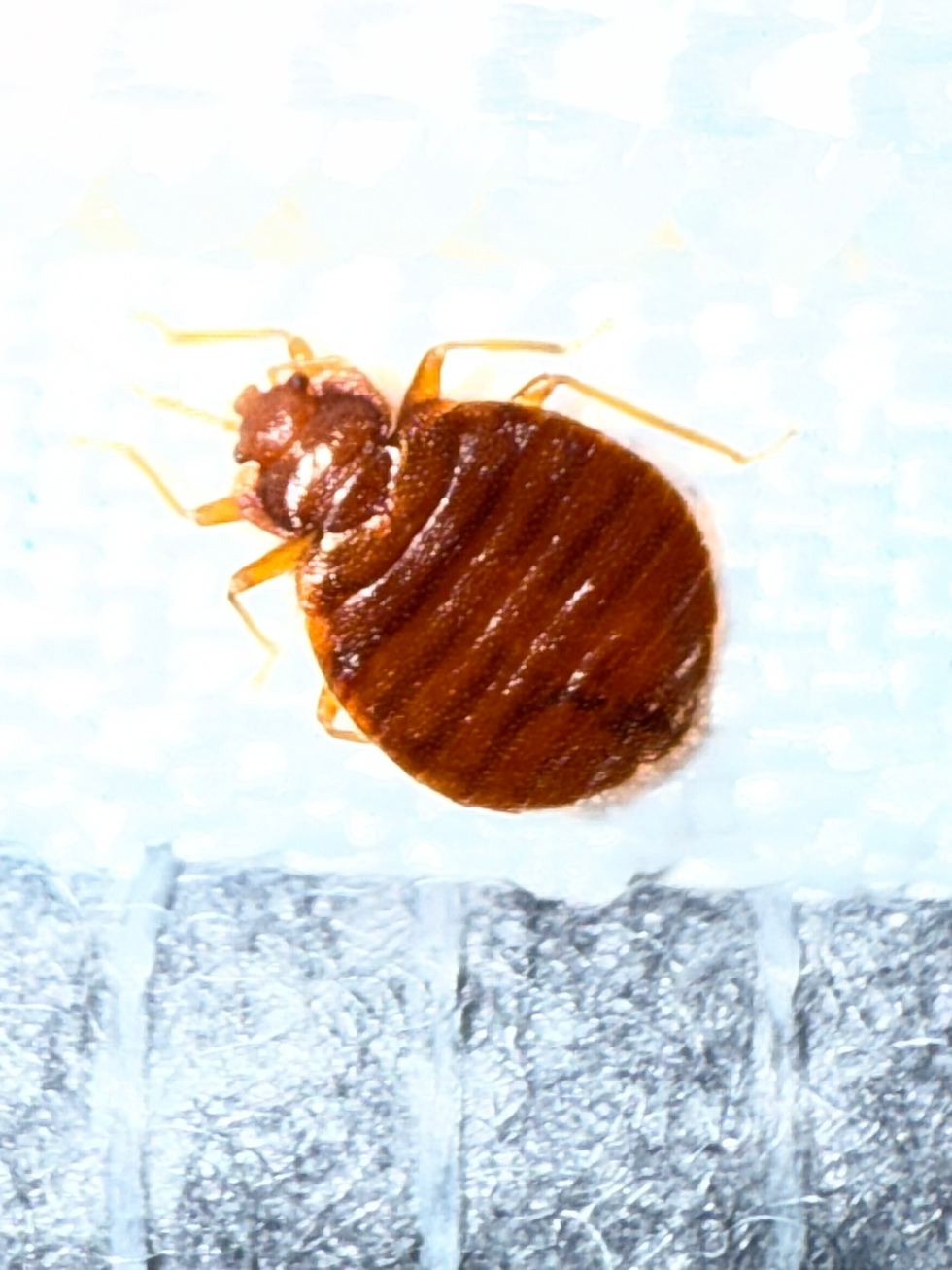
Pests change with the seasons, but they never really take the year off. If you want to protect your home or business from ants, termites, mosquitoes, spiders, roaches, bed bugs, fleas, ticks, wasps, mice, rats, and other pests, Yikes Pest Control is ready to help.
Call Yikes Pest Control today to schedule pest control service in Evansville, Newburgh, Mount Vernon, Poseyville, Wadesville, Princeton, Boonville, or nearby Southern Indiana areas.
Yikes Pest Control — when pests show up, we make them say “Yikes.”
FAQ Section
What pests are most common in Southern Indiana?
Common pests in Southern Indiana include ants, termites, mosquitoes, spiders, roaches, bed bugs, fleas, ticks, wasps, mice, rats, stink bugs, and other seasonal invaders.
What time of year are ants most active in Indiana?
Ants are most active in spring and summer, but they can remain active indoors throughout the year if they have access to food, moisture, and shelter.
When is termite season in Southern Indiana?
Termite activity can happen throughout the year, but termite swarms are most commonly noticed in spring. If you see winged insects, discarded wings, mud tubes, or damaged wood, schedule an inspection.
When should I treat my yard for mosquitoes?
Mosquito treatments are usually most helpful from spring through early fall, especially when temperatures rise and standing water is present.
Why do mice come inside in the fall?
Mice enter homes in fall because they are looking for warmth, food, and shelter. Garages, basements, crawl spaces, attics, and wall voids are common nesting areas.
Do I need pest control in the winter?
Yes, winter pest control can still be important. Mice, rats, roaches, spiders, and overwintering insects can remain active indoors even when outdoor pest activity slows down.
How often should I schedule pest control?
Many homes benefit from quarterly or year-round pest control service. The best schedule depends on your property, pest pressure, location, and whether you are dealing with an active infestation.
Does Yikes Pest Control serve areas outside Evansville?
Yes. Yikes Pest Control serves Evansville and nearby Southern Indiana areas, including Newburgh, Mount Vernon, Poseyville, Wadesville, Princeton, Boonville, Posey County, Vanderburgh County, Warrick County, Gibson County, and surrounding communities.




Comments