Ants, Fleas, Spiders (excluding Brown Recluse), Crickets, Wasps, Centipedes, Oriental Roaches, Silverfish + more
2
Gold Service
$79 Bi-Monthly after initial
Pest Covered
Ants, Fleas, Spiders (including Brown Recluse), Crickets, Wasps, Centipedes, Oriental Roaches, German Roaches, Silverfish, Mice, Rats and more
3
Top-Tier Service
$79 monthly after initial
Ants, Fleas, Spiders (including Brown Recluse), Crickets, Wasps, Centipedes, Oriental Roaches, German Roaches, Silverfish, Mice, Rats, mosquitoes, and more
4
All-Inclusive Service
$95 monthly after initial
Pest Covered
Ants, Fleas, Spiders, Crickets, Wasps, Centipedes, Oriental Roaches, Silverfish, Mice, Rats, Termites, Mosquitoes, and more
There are few things that can ruin a nice evening outside faster than mosquitoes. You fire up the grill, sit down with your family, and within five minutes everyone is slapping their arms, ankles, and necks like they’re auditioning for a drumline. Mosquitoes may be small, but they have a special talent for making your own backyard feel unusable. Here in Southwest Indiana, mosquitoes are more than just a summer annoyance. With our warm weather, humidity, shaded yards, and plen
At Yikes Pest Control, we believe in taking care of the people who take care of our community—and few people do that better than our local teachers. Every day, teachers invest their time, energy, and patience into shaping the next generation. They show up early, stay late, and go far beyond the classroom to make a difference in the lives of our kids. And while they’re busy handling lesson plans, grading papers, and everything in between… the last thing they should have to wor
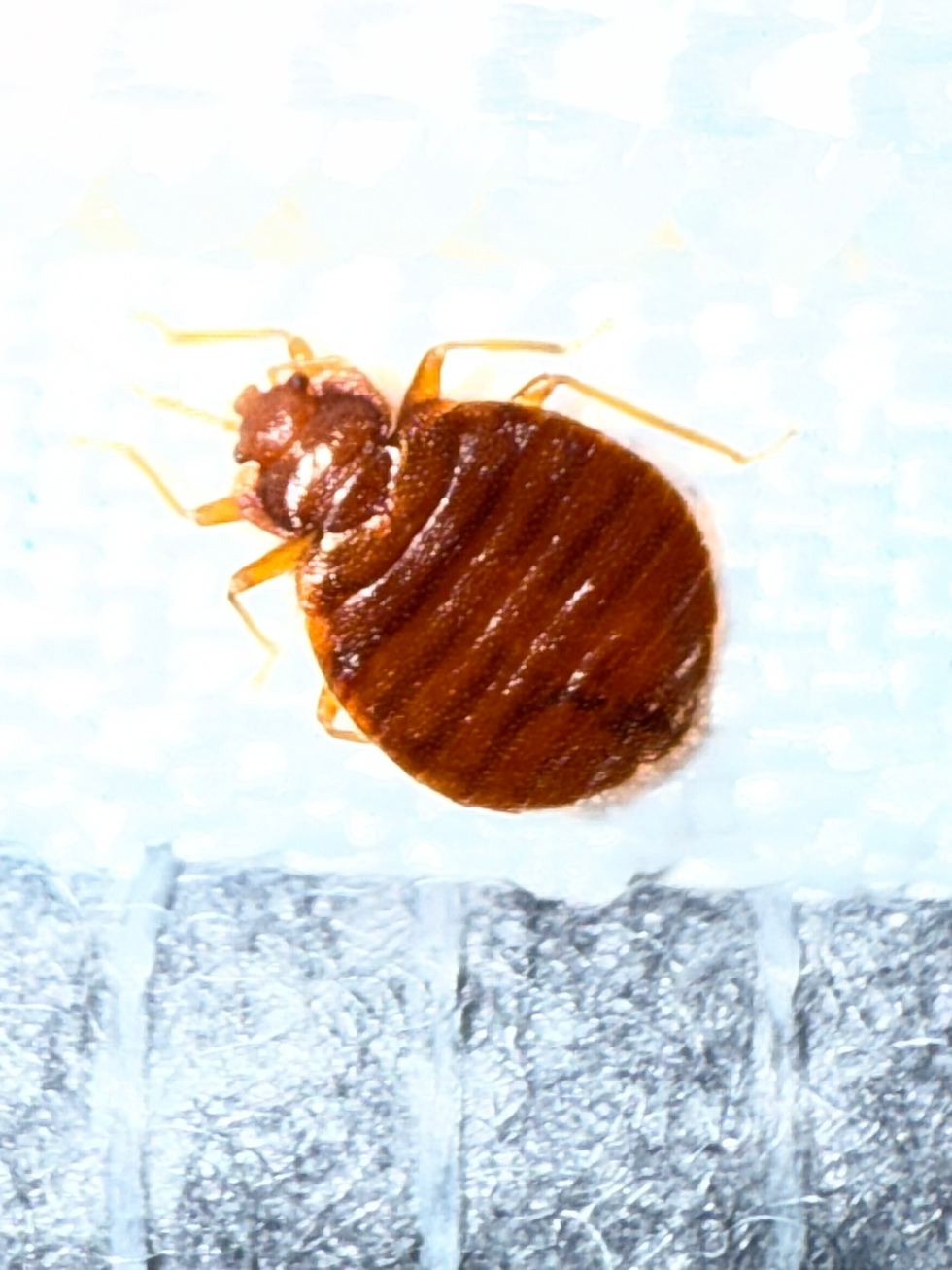
Why Bed Bugs Are So Difficult to Eliminate Bed bugs are one of the most stubborn pests homeowners face in Evansville and Southwestern Indiana . They hide in extremely small cracks, reproduce quickly, and can survive for months without feeding. Because of this, getting rid of them permanently requires more than just surface-level treatment. Many infestations in Evansville homes start small—often from travel or secondhand items—but can spread rapidly throughout bedrooms, furni
Why are mosquitoes so bad in Southwestern Indiana? Mosquitoes thrive in Southwestern Indiana , especially around Evansville , because of warm temperatures, humidity, and frequent rainfall. Even small amounts of standing water—like clogged gutters, low spots in yards, or containers—can produce hundreds of mosquitoes in just a few days. When you combine rain with warm evenings, mosquito populations can spike quickly, which is why homeowners often notice them “all at once.” Wher
Why are termites such a common problem in Evansville? Termites thrive in Evansville and Southwestern Indiana because of the combination of moisture, moderate temperatures, and soil conditions. Subterranean termites—the most common species here—depend on soil contact and humidity to survive. With crawlspaces, basements, and wood-to-soil contact common in the area, homes provide ideal conditions for colonies to grow. What are termite swarmers and why am I seeing them right now
Why Termite Swarmers Are Showing Up in Southwestern Indiana Right Now Across Southwestern Indiana, termite swarmer activity is beginning to increase as temperatures warm and moisture levels rise. In areas like Evansville and surrounding communities, this typically happens during warm days following rain, when conditions are ideal for termite colonies to reproduce. Termite swarmers, also known as alates, are reproductive termites that leave an established colony to form new on
Why Termite Swarmers Are Appearing in Evansville Right Now As temperatures warm and spring moisture increases across Evansville and Southwestern Indiana , termite colonies begin entering one of their most noticeable phases— swarming . Termite swarmers (also called alates) are the reproductive members of a colony. Their job is to leave an established colony and start new ones. In Evansville , this typically happens during warm days following rain, when humidity levels are high
Why Fleas Become a Problem in Newburgh Homes Each Spring As temperatures begin to rise in Newburgh, Indiana and across Southwestern Indiana , flea activity increases almost overnight. Many homeowners assume fleas are only a summer issue, but early spring is when infestations often begin—especially in homes with pets. Fleas can survive the winter in protected environments like crawlspaces, under decks, or even inside homes. Once warmer weather arrives, they become active and b
Why Bed Bug Problems Increase in Evansville During Spring Travel Season As travel increases across Evansville and Southwestern Indiana , bed bug infestations become more common in residential homes. Spring break trips, hotel stays, and visiting family all increase the chances of unknowingly bringing bed bugs back home. Bed bugs are not caused by cleanliness issues—they are transported. These pests hide in luggage, clothing, and personal items, making travel one of the most co
Why Termites Are a Serious Risk in Southwestern Indiana Across Evansville and Southwestern Indiana , termites are one of the most destructive pests homeowners can face. Unlike many pests that are mostly a nuisance, termites feed on wood and other cellulose materials, which means they can quietly damage the structural components of a home. Subterranean termites are the most common species in this region. These termites live underground in large colonies and travel between soil
The First Warm Days Trigger Ant Activity in Princeton and Southwestern Indiana When the first warm days arrive across Southwestern Indiana , many homeowners begin noticing an all-too-familiar sight: small ants marching across countertops or forming trails along kitchen floors. In communities like Princeton and across Gibson County , these early spring ant invasions are extremely common. During the colder months, many ant colonies remain hidden underground, inside wall voids,
Why Odorous House Ants Are Showing Up After Warm and Cool Weather Swings Across Southwestern Indiana and Evansville , one of the most common pest complaints this time of year involves odorous house ants ( Tapinoma sessile ). These small dark ants often appear suddenly in kitchens, bathrooms, and along baseboards, especially during periods when the weather warms up and then cools again over several days. Temperature swings and spring moisture changes play a major role in thei
Why Mosquito Activity Is Increasing in Evansville Right Now As temperatures warm across Evansville and Southwestern Indiana , mosquito activity begins increasing quickly. When nighttime temperatures stay consistently above about 50°F and spring rains add standing water to the environment, mosquito eggs can begin developing into biting adults in as little as 7–10 days. Recently, many homeowners in Evansville and surrounding communities have started noticing more mosquitoes aro
Seeing a swarm of flying insects inside your home can be alarming, especially for homeowners in Evansville, Indiana where termite activity is common during the spring and early summer. Many people panic when they suddenly see dozens—or even hundreds—of winged insects flying around lights, windows, or doors inside their home. If you’re asking yourself “Why is there a termite swarm in my house and what do I do?”, you’re not alone. A termite swarm inside your house is often the
Why Fleas Start Appearing in Early Spring in Southwestern Indiana As temperatures begin to rise across Southwestern Indiana , many homeowners start thinking about ants, termites, and mosquitoes. However, one pest that often begins building momentum quietly in early spring is the flea. By the time warmer weather arrives in full force, flea populations can already be well established inside homes. In communities like Newburgh and nearby areas along the Ohio River, fluctuating
Spring ant activity in Evansville, Indiana is more than just a seasonal annoyance — it’s often the first sign of expanding colonies establishing themselves inside homes. As soil temperatures rise across Southwestern Indiana, ants become increasingly active in search of food, moisture, and nesting sites. For homeowners in Evansville, early identification and prevention are critical to stopping minor sightings from turning into widespread infestations. Ants are among the most
With repeated rainfall and warm temperatures in the forecast for Evansville, Indiana , mosquito populations across Southwestern Indiana are poised to increase rapidly. When rain events occur back-to-back, they create standing water in gutters, low yard areas, flower pots, tarps, and drainage areas — all prime mosquito breeding sites. Because mosquitoes can develop from egg to biting adult in as little as 7–10 days under warm conditions, extended wet weather often leads to not
German cockroach infestations in Evansville, Indiana typically begin inside man-made structures and spread from existing infestations — not from outdoor migration. Unlike some roach species, German cockroaches are highly dependent on indoor environments and rarely survive outdoors in temperate climates like Southwestern Indiana. Infestations often increase during winter due to stable indoor temperatures and then continue expanding through spring and summer if left untreated.
Spring flea Evansville, Indiana increases as temperatures rise and humidity levels climb, creating ideal conditions for flea development in lawns, shaded soil, and pet resting areas. As outdoor activity expands during warmer months, fleas become more active and can quickly establish themselves in yards and inside homes. Early awareness and proactive control are essential to prevent infestations that affect both pets and people. Why Fleas Become Active in Spring in Evansville
If you live in southwest Indiana , you already know the signs: squishy ridges in the yard, volcano-looking dirt piles, and the sudden realization that your lawn now resembles a tiny roller coaster. Yep—moles are back at it. But here’s the thing: moles never really leave . They just change their routine, especially during winter and right after snow melts. Let’s dig in. (The moles already have.) What Moles Are Doing During Winter Contrary to popular belief, moles do not hiber