Understanding Termite Swarming Season in Southwestern Indiana
Updated: Mar 16
Late winter into early spring is when homeowners across Southwestern Indiana and Evansville start noticing something unsettling: winged termites appearing near windows, doors, or light fixtures. While ants, roaches, fleas, and bed bugs often steal the spotlight, termite swarming season is one of the most under-discussed — and most important — pest issues for local homeowners. These brief swarms are not random; they’re a warning sign that deserves attention.
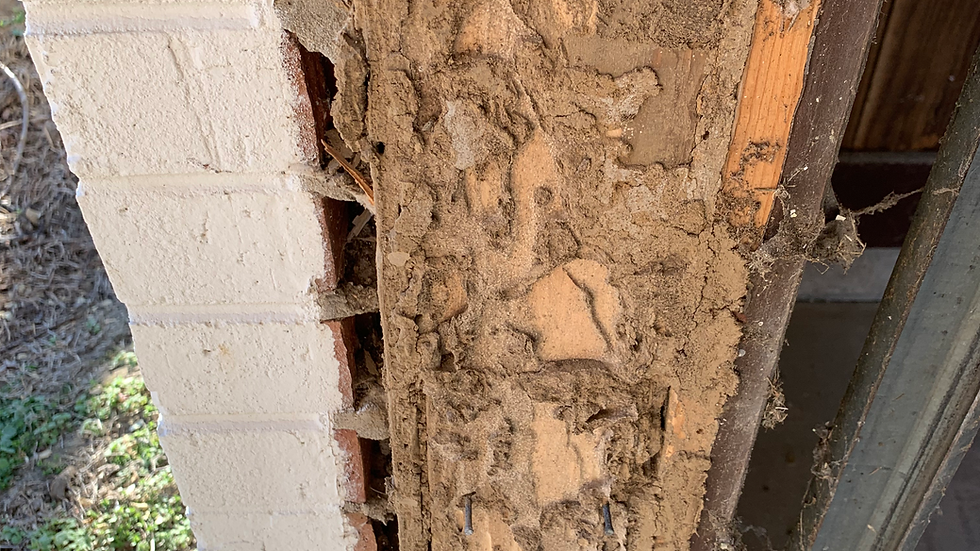
Why Termite Swarms Happen in Early Spring
Termite swarms occur when mature colonies release winged reproductives (called alates) to establish new colonies. In Southern Indiana, this typically begins as soil temperatures rise and moisture increases — often from February through April. Homes in Evansville and nearby communities are especially vulnerable.
Seeing a swarm doesn’t mean termites just arrived. It usually means a colony has been established nearby — sometimes inside the structure — for years. Termites are quiet professionals at their job, and unfortunately, that job is eating wood.
How to Tell Termites Apart from Flying Ants
Many homeowners mistake termites for flying ants, which delays proper treatment. A few quick differences help:
Termites have straight antennae, not bent.
Their wings are equal in size and extend past the body.
They have a thick, straight waist, not a pinched one.
Discarded wings on window sills or floors are often the first clue. If you’re finding wings in homes across Newburgh, Posey County, or McCutchanville, that’s not seasonal décor — it’s a sign to act.
Why Termites Are a Serious Risk in Southwestern Indiana
Termites cause structural damage silently and continuously. Unlike ants or fleas, termites don’t need crumbs or clutter — they need cellulose, which your home conveniently provides. Subterranean termites, the most common species here, enter through soil contact, foundation cracks, or expansion joints.
What to Do If You See a Termite Swarm
First: don’t panic. Second: don’t spray and hope for the best. Killing swarmers doesn’t eliminate the colony — it just removes the messengers.
Professional inspection is the smartest next step. At Yikes Pest Control, we specialize in identifying termite activity early and recommending the right solution for each home. As a local, veteran-owned company, we understand regional construction styles, soil conditions, and seasonal pest behavior unique to Southwestern Indiana.
Early detection can mean the difference between targeted treatment and costly structural repairs later.
Preventing Termite Problems Before Swarm Season Peaks
While no home is termite-proof, smart prevention goes a long way:
Reduce moisture near foundations and crawl spaces.
Keep mulch and soil from touching siding.
Seal foundation cracks and utility entry points.
Schedule routine professional inspections.
Spring is the best time to catch termites before serious damage occurs. Think of it as a home inspection termites don’t want you to schedule.
Understanding the Importance of Early Detection
Detecting termites early can save you a lot of trouble. When you notice the first signs, it’s crucial to act quickly. The longer you wait, the more damage they can cause. Remember, termites can eat through wood for years without you even knowing it.
Signs of Termite Infestation
Look for these signs around your home:
Mud tubes on exterior walls.
Hollow-sounding wood.
Frass (termite droppings) that looks like sawdust.
Swarmers or discarded wings.
If you see any of these, it’s time to call in the experts.
The Role of Professional Pest Control
While DIY methods may seem tempting, they often fall short. Professionals have the training and tools to effectively deal with termite infestations. They can provide a thorough inspection and recommend the best course of action.
At Yikes Pest Control, we pride ourselves on being the leading and most trusted local pest control expert in Southwestern Indiana. Our team is dedicated to protecting homes and families from unwanted pests with reliable, honest service.
Long-Term Solutions for Termite Prevention
To keep your home safe from termites, consider these long-term strategies:
Install physical barriers during construction.
Use treated wood for decks and fences.
Regularly inspect your property for signs of termites.
Educate yourself about termite behavior and prevention.
By taking these steps, you can significantly reduce the risk of a termite infestation.
Conclusion: Stay Vigilant Against Termites
In conclusion, termite swarming season is a critical time for homeowners in Southwestern Indiana. By understanding the signs and taking proactive measures, you can protect your home from these destructive pests. Remember, if you see a swarm, don’t hesitate to reach out to professionals. Early action is the key to safeguarding your home.
For more information on pest control services, visit Yikes Pest Control.




Comments